

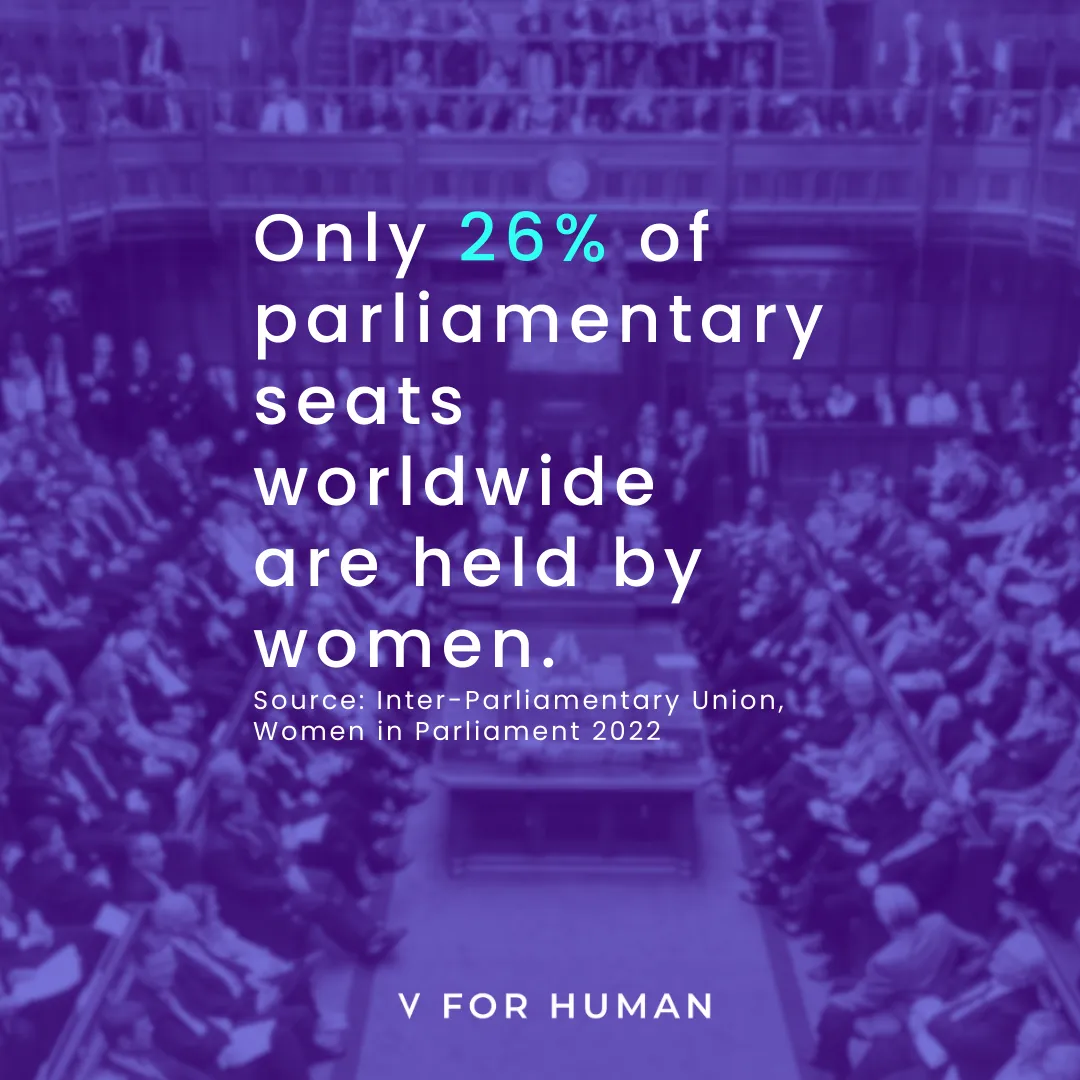
The persistent underrepresentation of women in political spheres across the globe presents a glaring imbalance of power and a critical barrier to achievinggender equality. Despite decades of progress, women hold a mere 26.1% of parliamentary seats worldwide, according to the Inter-Parliamentary Union. This discrepancy not only highlights gender inequality but also raises concerns about the inclusivity and effectiveness of political decision-making processes.
A Multifaceted Gap
The roots of this gender inequality in politics are deeply woven into social, cultural, and political structures. Stereotypes and ingrained biases paint leadership roles as inherently masculine, discouraging women from entering politics. Traditional gender roles often confine women to domestic responsibilities, limiting their time and resources for political engagement. Lack of access to financial resources and mentorship networks further impede women’s ascent in the political landscape.
Systemic Barriers
Political systems themselves often exacerbate the problem. Electoral systems favoring incumbents or larger parties can disadvantage newcomers, particularly women who may lack name recognition and established support bases. Quota systems and affirmative action, though controversial, have proven effective in some countries by reserving seats for women in legislatures. However, these measures are often temporary and face resistance from established power structures.
Gender inequality in politics, Global Variations
The extent of the gender gap varies significantly across regions and countries. In Rwanda, women hold a remarkable 61.3% of parliamentary seats, demonstrating the potential for change through sustained commitment. However, in the Arab world, women’s representation remains alarmingly low, averaging only 19.2%. Understanding these diverse contexts is crucial to developing tailored solutions.
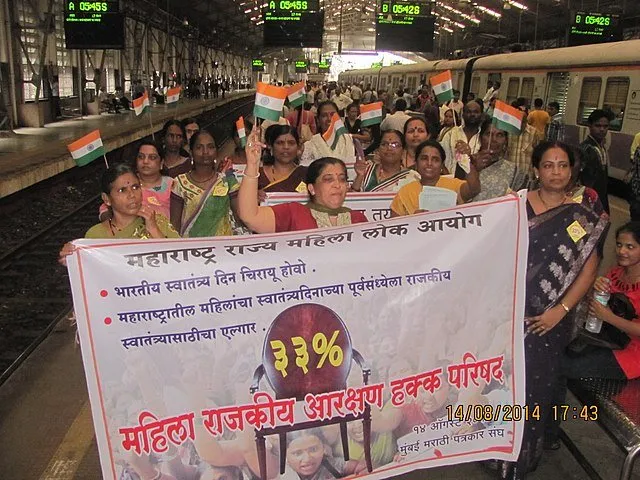

Creative Commons Attribution-Share Alike 4.0
Consequences of the Gender Imbalance
The gender imbalance in politics leads to several negative consequences. Primarily, it results in policymaking that may not fully consider or effectively address issues disproportionately affecting women, such as healthcare, education, and violence. This oversight can perpetuate existing inequalities and hinder the development of comprehensive solutions.
Moreover, the underrepresentation of women in political spaces can discourage other women and girls from pursuing careers in politics, perpetuating a cycle of inequality. Addressing this imbalance is crucial for achieving equitable and inclusive governance that reflects and serves the needs of all segments of society.
The Impact of Change
Addressing the gender imbalance in politics holds far-reaching implications. Studies have shown that increased female representation leads to more inclusive policies, promotes better education and healthcare outcomes, and fosters peaceful conflict resolution*. It also serves as a powerful inspiration for young girls, shattering the glass ceiling and demonstrating the possibility of political participation.
Towards a More Inclusive Future
Achieving gender equality in politics requires a multi-pronged approach. Fostering civic education that challenges gender stereotypes and promotes political participation among girls is crucial. Empowering women through mentorship programs, financial support, and leadership training can dismantle barriers to entry. Moreover, advocating for electoral reforms that create a level playing field and implementing gender quotas as temporary measures can accelerate progress.
To foster a more inclusive political future, many countries and international organizations are taking proactive steps. For instance, Rwanda, New Zealand, and Finlandhave made significant progress by implementing gender quotas and promoting policies that support women’s political engagement.
Additionally, we keep an eye on interesting initiatives like UN Women’s “HeForShe”and the Inter-Parliamentary Union’s campaigns work towards gender-sensitive reform in political institutions, advocating for equal participation.
These efforts highlight the global movement towards achieving gender parity in political representation and decision-making processes.
*Sources:
UN Women Policy Brief: Women in Parliaments: Progress and Prospects(2020): This document highlights research showing that higher female representation leads to policies related to child health, education, and social welfare.
World Bank Policy Research Working Paper: The Gender Aspects of the Trade and Poverty Nexus: Insights from a Meta-Analysis(2005): This study finds that increased female decision-making power leads to policies that benefit the poor and reduce poverty, particularly impacting female poverty rates.
Journal of Peace Research: Gender Parity and Peaceful Settlements(2015): This study analyzes data from 178 countries and concludes that female participation in peace negotiations increases the likelihood of reaching a durable peace agreement.
Inspired to make a difference? Join V4H and Take Action: learn more about our programs, our volunteering opportunities, and how you can advocate for a brighter future.
Together, we can reach for the stars and make the impossible, possible.
Ce texte est publié sous licence CC BY-NC 4.0. Les images peuvent être soumises à d’autres conditions.
Écrire ou collaborer avec V FOR HUMAN
Rejoignez V FOR HUMAN en Art, Science, Droit ou Sport, ou envoyez-nous l’idée d’un texte que vous aimeriez écrire.